🌍 We ship worldwide | 🚚 Free shipping within India | 💰 Partial COD now available Created by Indian Weavers and Artisans Contribute 2% of our earnings to the NGOs Grab the pieces on discount

Bridal Sarees

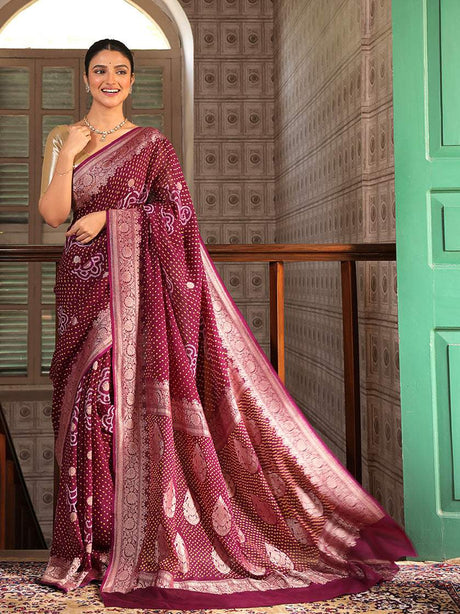
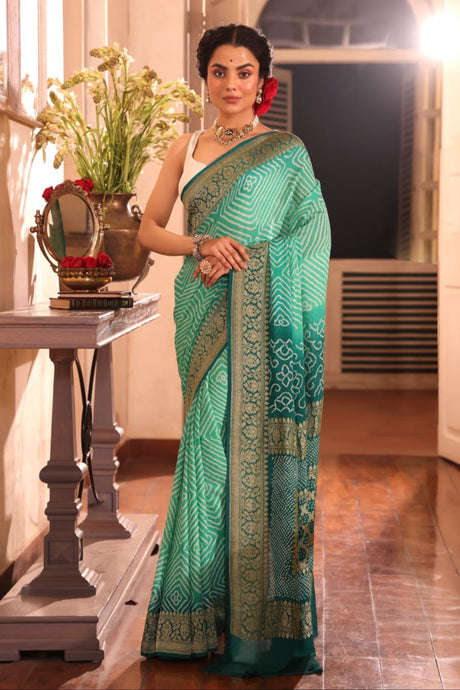
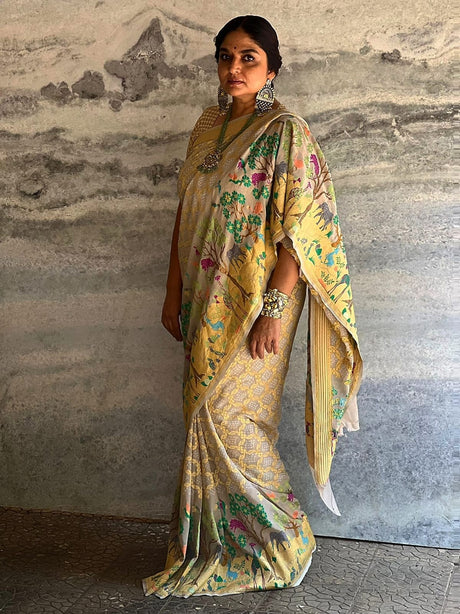
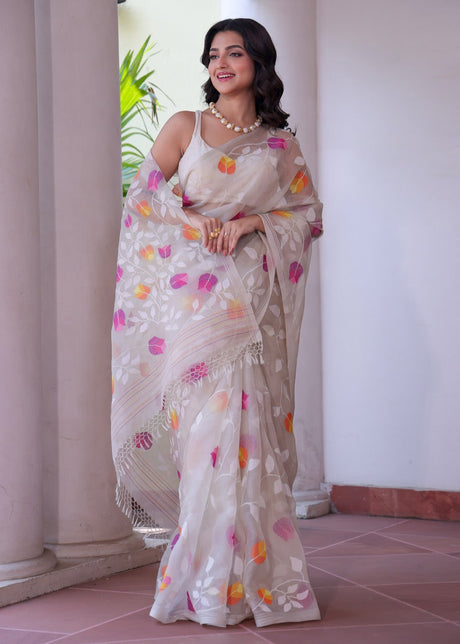
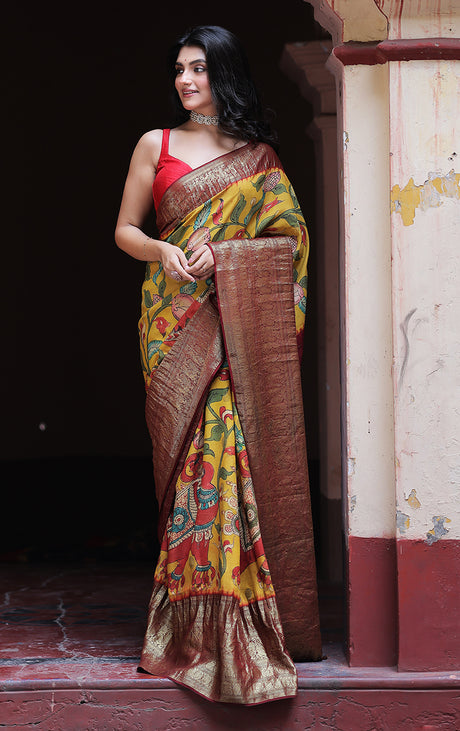
Bridal sarees at Kapaas Katha are made by Indian weavers and artisans, in hand-tied Bandhani, Kalamkari and handloom weaves, for the wedding day and the functions around it. The edit spans Banarasi georgette, Gajji, Kota, Munga and Kanjivaram silk, along with Jamdani and Ikat. For hand-tied work, start with our Bandhani saree collection.

View as

Handcrafted Bandhani Bridal Sarees

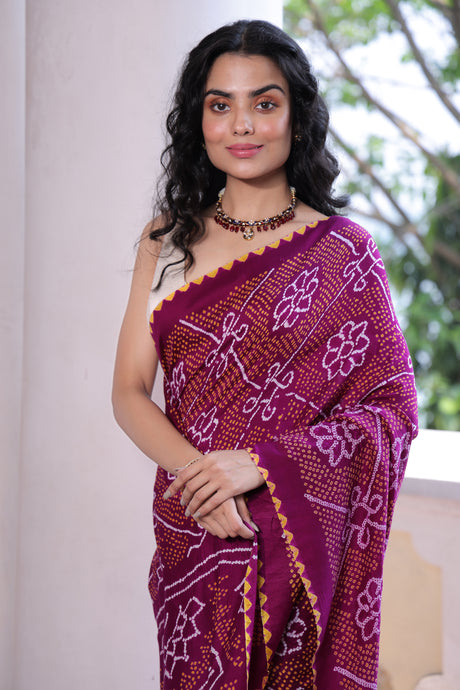
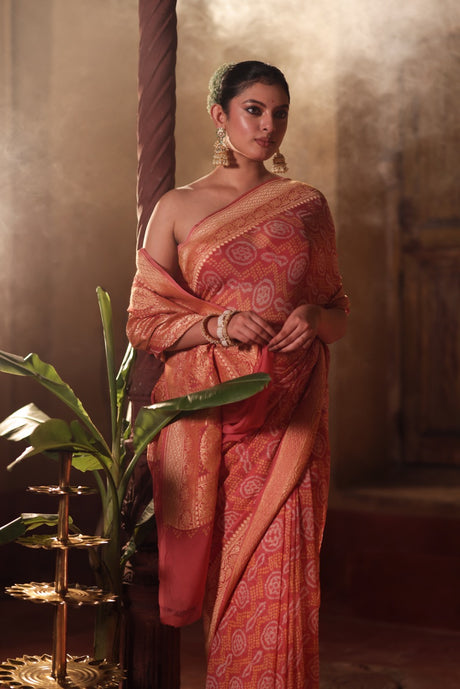
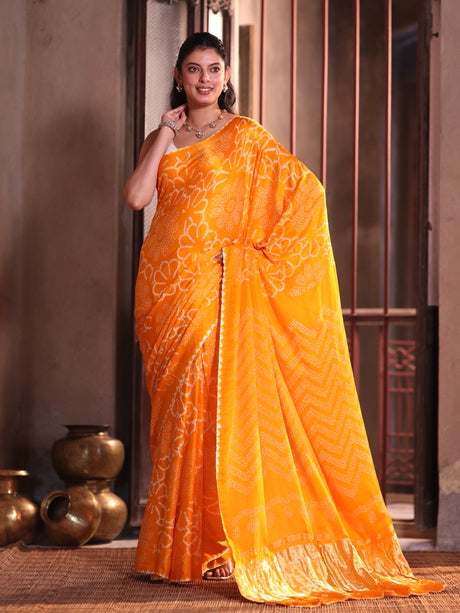
Most of the bridal sarees in this edit are Bandhani, the resist-dye craft practised in Rajasthan and Gujarat. Artisans tie tiny sections of the fabric tightly with thread before dyeing. The tied points resist the colour and, once opened, leave the fine dots a bandhani bridal saree is known for.

Because every dot is tied by hand, a bandhej bridal saree takes time to make, and finer patterns take longer. Small irregularities in the dots are part of the craft, not a flaw. Printed Bandhani only copies the look of the dots on the surface, without the texture of real tied work.

Bridal Sarees by Fabric

The base fabric decides how a saree falls and how it feels through a long day, so you can choose a silk bridal saree by weight and texture.

  • Banarasi georgette: handloom georgette with Bandhani, including pieces with meenakari work. See our Banarasi georgette Bandhani sarees.
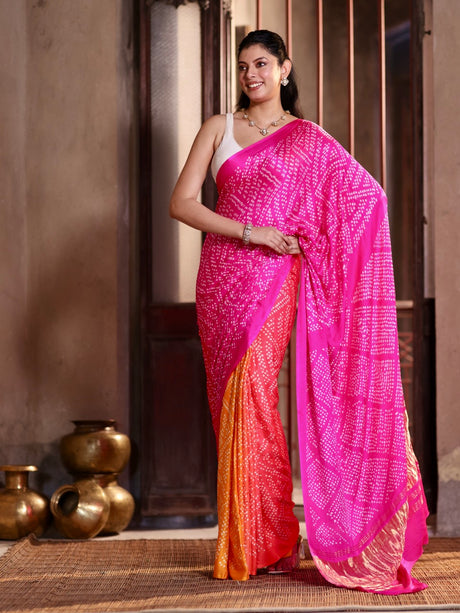
  • Gajji silk: a satin-weave silk from Gujarat with a lustrous finish and fluid drape, in Bandhani, Leheriya and ombre designs. See our Gajji silk sarees.
  • Munga silk: a lightweight silk, some pieces with gold zari in the pallu.
  • Kota silk: a lightweight weave with a crisp texture and subtle transparency.
  • Kanjivaram silk: a fuller-weight silk with a gentle sheen, finished with hand-tied Bandhani. See our Kanjivaram silk sarees.
  • Kalamkari on Kanjivaram: Kalamkari work on Kanjivaram silk. See our Kalamkari sarees.
  • Vasundhara silk: a handloom silk, several pieces with gold zari borders or checks.
  • More weaves: Bandhani on mulberry, Chanderi, Katan, tussar, matka and chiniya silk, plus Jamdani, single Ikat, cotton Paithani and linen Kalamkari.

Red Bridal Sarees and Other Wedding Colours

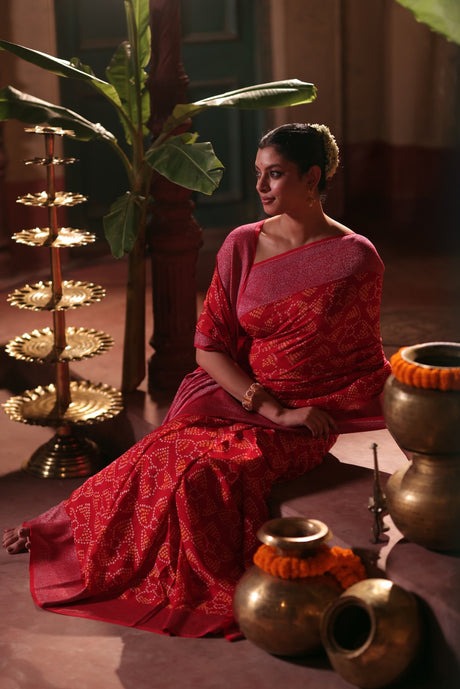
For a red bridal saree, the edit includes deep red, sindoori, maroon and red with orange, in Banarasi georgette, Munga silk, mulberry silk and single Ikat.

Beyond red, there is magenta, pink, mango and kesari yellow, purple, violet, lavender, emerald green, blue, teal, grey and black. Some pieces use ombre dyeing, where one colour moves gradually into the next. These shades suit brides who prefer a colour other than red, or a second look later in the celebrations.

Choosing a Bridal Saree for the Ceremony and Reception

Wedding sarees for the bride are often worn for long hours, so comfort matters as much as the look. Kanjivaram silk has a fuller weight and a structured drape for a formal ceremony. Lighter weaves such as Banarasi georgette, Kota, Munga silk and Jamdani are easier to wear through a long reception.

Many brides plan two sarees: a more formal drape for the ceremony and a lighter one for the reception. Think about the venue, the season and how many hours you will spend in each.

Pairing a Bridal Saree with Jewellery

Bandhani carries plenty of colour and pattern, so bridal jewellery works best with one clear focal point. Katha of Jewels offers bridal pieces in 92.5 silver. Moissanite polki jewellery brings sparkle to a statement look, Kundan jewellery pairs well with deep reds and zari borders, and choker necklaces leave room for a longer piece if you want to layer.

Caring for a Bandhani Bridal Saree

Dry clean only. Between wears, air the saree from time to time and store it in a breathable, uncoloured muslin or mulmul cloth in a dry place. Keep it away from moisture, which can damage silk and zari, and avoid cane, jute or wooden boxes. Do not iron directly on the zari, and keep perfume away from the fabric.

Shop Handcrafted Bridal Sarees

Kapaas Katha brings together hand-tied Bandhani, Kalamkari, Jamdani and Ikat, made by Indian weavers and artisans for your wedding day. Dressing the wedding party too? See our bridesmaid sarees for coordinated looks.


FAQs

How is real Bandhani different from printed Bandhani?
Real Bandhani is tied with thread before dyeing, so the dots are slightly irregular and the pattern shows on both sides of the fabric. Printed Bandhani sits only on the surface, so the dots look flat and uniform, and the reverse is usually paler.

What is Gajji silk?
Gajji silk is a satin-weave silk known for its smooth, lustrous finish. It has long been woven in Gujarat and is a popular base for hand-tied Bandhani.

How far ahead should a bridal saree be bought?
Two to three months before the wedding is a practical window. It leaves time for blouse stitching, fall and pico work, and a trial drape with the jewellery.

Can a bridal saree be worn again after the wedding?
Yes. It can be worn again for family weddings, festivals and formal events. A different blouse or lighter jewellery gives it a fresh look.

Which blouse styles suit a Bandhani saree?
A plain silk blouse in a matching or contrast colour lets the dots stand out. Zari or brocade blouses add weight for formal occasions, while boat necks and elbow-length sleeves suit heavier drapes.

Compare /3

Loading...