🌍 We ship worldwide | 🚚 Free shipping within India | 💰 Partial COD now available Created by Indian Weavers and Artisans Contribute 2% of our earnings to the NGOs Grab the pieces on discount

Festive Sarees for Celebrations

Festive sarees are sarees chosen for festivals, family celebrations and the festive season, usually in richer colours, silks and handcrafted detail. The festive sarees at Kapaas Katha are made by Indian weavers and artisans in hand-tied Bandhani, Ikat, Jamdani, Kalamkari and hand-block print. For hand-tied work, start with our Bandhani saree collection.

View as

Festive Sarees by Craft

Each craft in this edit is worked by hand, and each gives a festive saree a different look and texture.

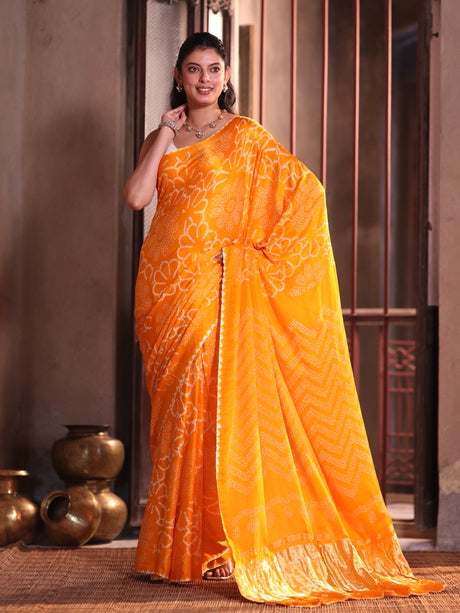
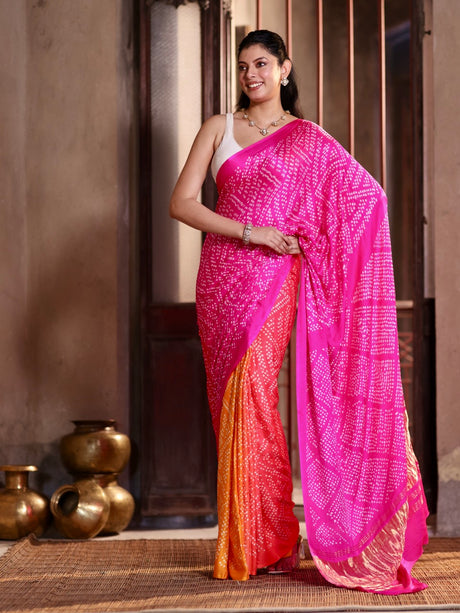
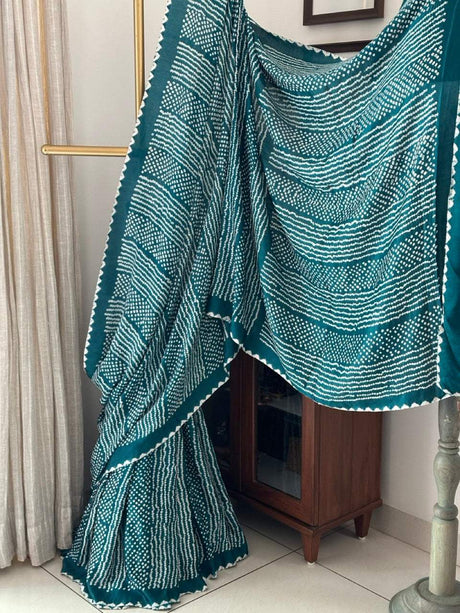
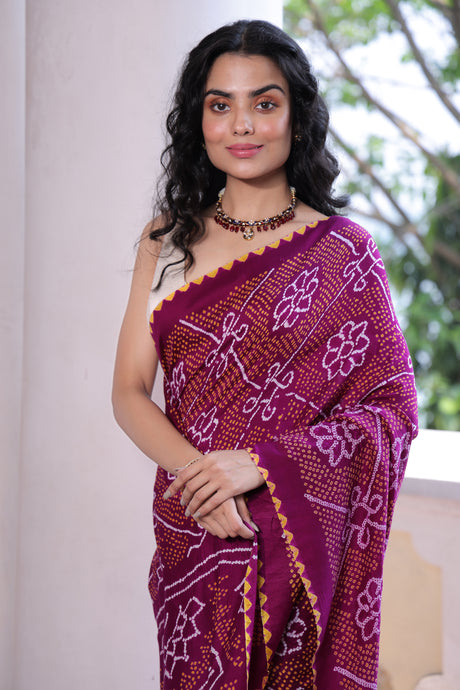
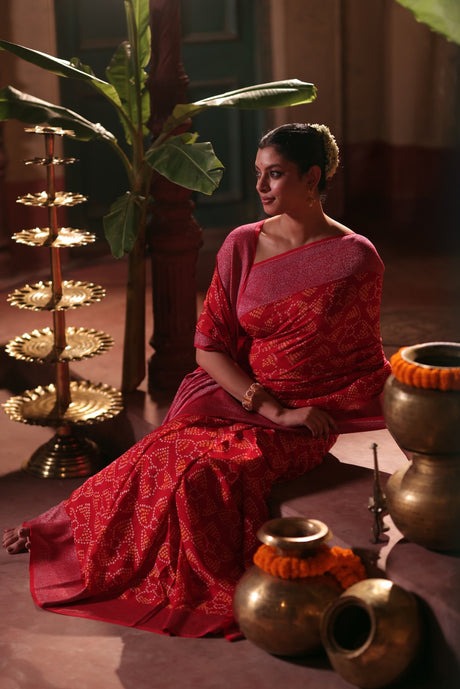
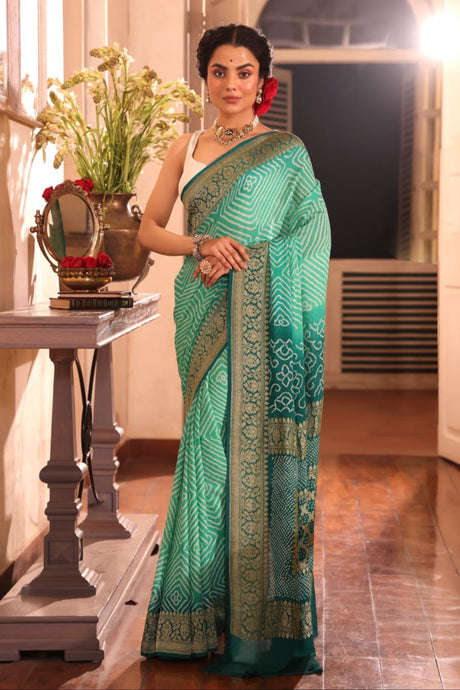
  • Bandhani: a resist-dye craft from Rajasthan and Gujarat, where tiny sections of fabric are tied with thread before dyeing. The Bandhani in this edit is tie-dyed by hand using the traditional technique, in circle, Leheriya and ombre designs. Small irregularities in the dots are part of the craft, not a flaw. Printed Bandhani only copies the dots on the surface, without the texture of real tied work.
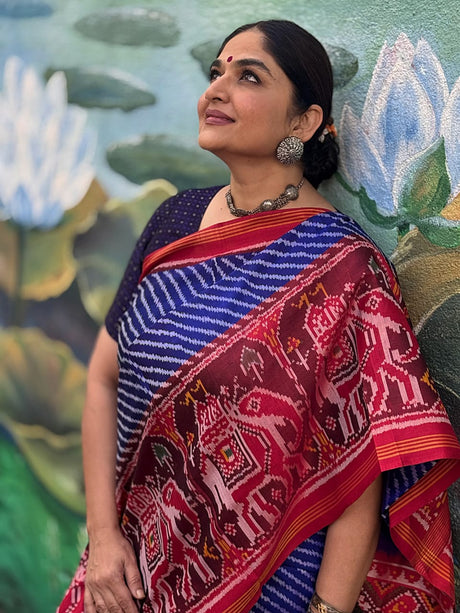
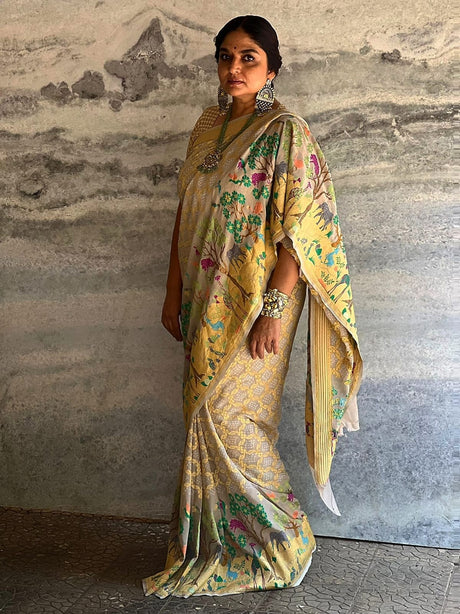
  • Single Ikat: a weave where the yarn is dyed in a set pattern before it goes on the loom, so the design forms as the saree is woven. The edit includes Ikat Patola sarees in mulberry silk. See our single Ikat and Patola sarees .
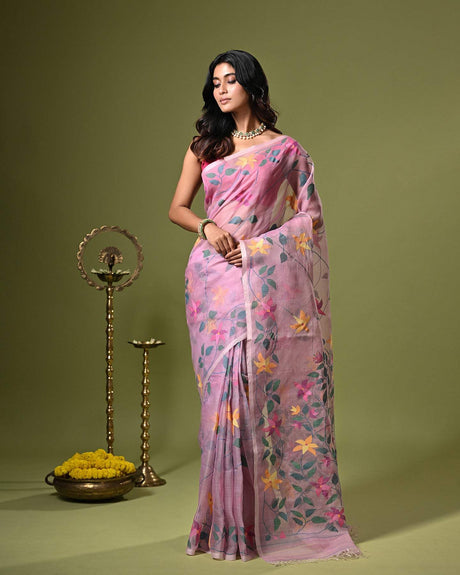
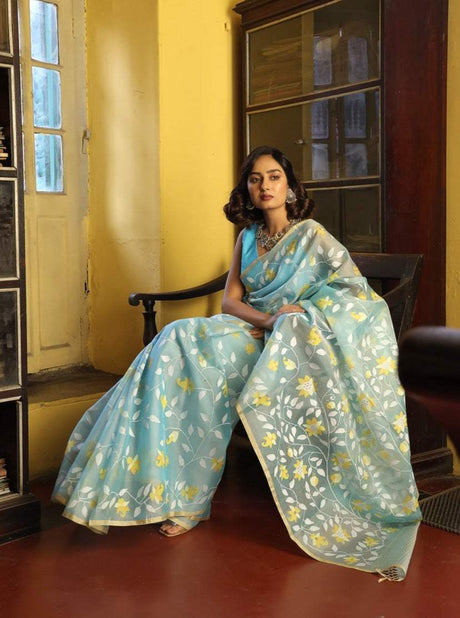
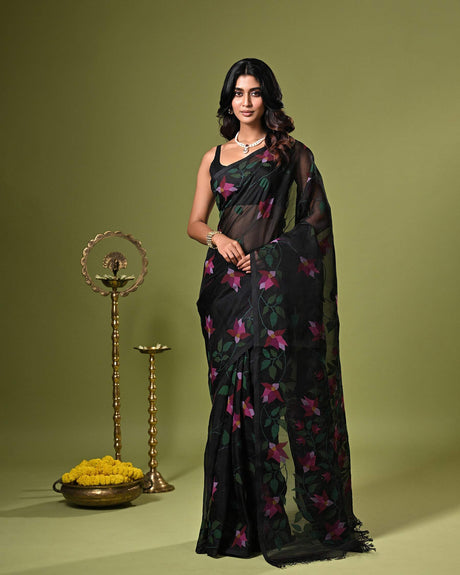
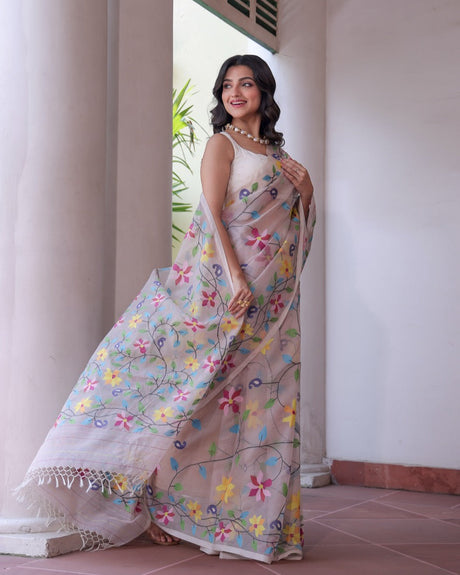
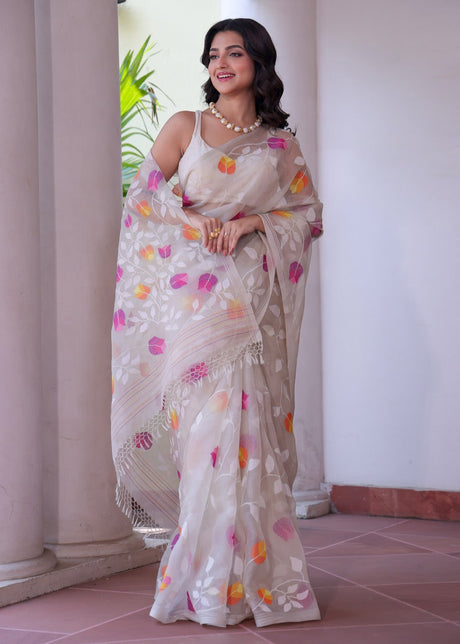
  • Jamdani: a handloom weave with motifs woven into the fabric, known for a light texture and sheer drape. See our Jamdani sarees .
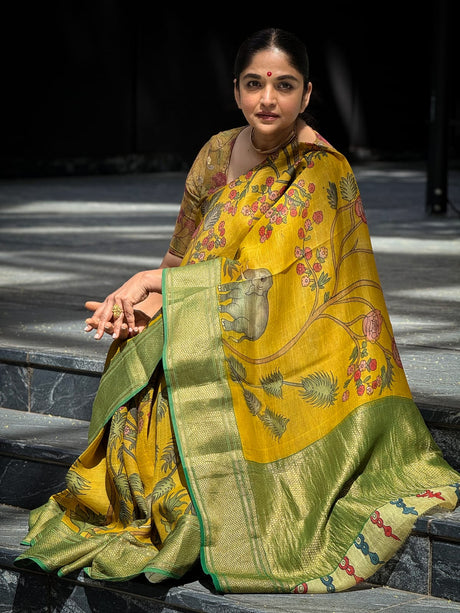
  • Kalamkari: a craft from Andhra Pradesh of pen-drawn or block-printed motifs, seen here on Kanjivaram, Chanderi, matka silk, cotton and linen. See our Kalamkari sarees .
  • Hand-block print and Ajrakh: designs printed by hand with wooden blocks on Chanderi cotton silk. See our hand-block print sarees .

Fabrics in the Festive Edit

The fabric decides how a festive saree drapes and how comfortable it feels through a long celebration.

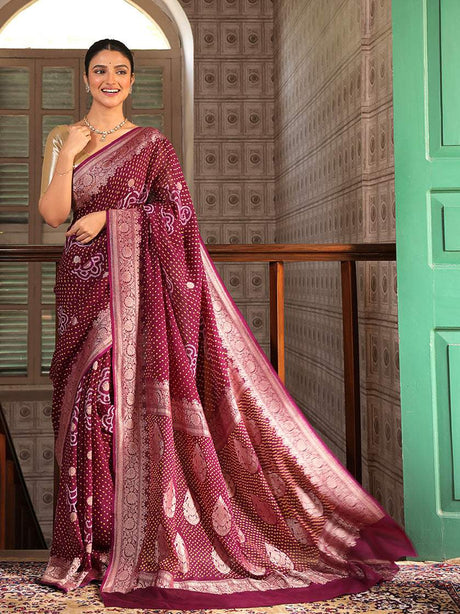
  • Banarasi georgette: Bandhani on Banarasi georgette, many pieces handloom, some with meenakari or zari work. See our Banarasi georgette Bandhani sarees
  • Gajji silk: a satin-weave silk from Gujarat with a lustrous finish and fluid drape, the base for many Bandhani pieces. See our Gajji silk sarees.
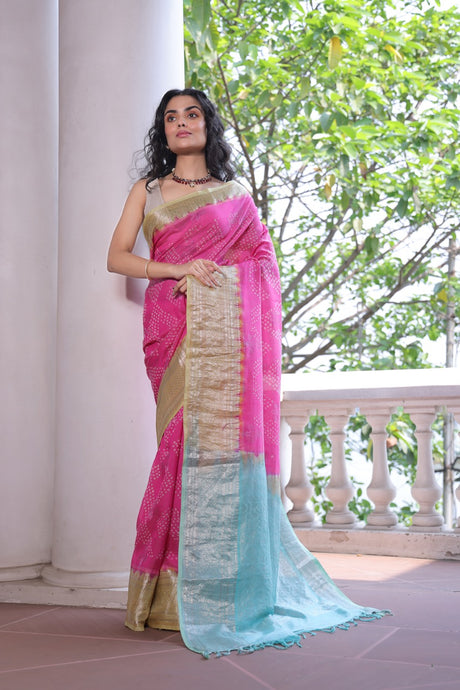
  • Kanjivaram silk: a fuller-weight silk with a gentle sheen, finished with Bandhani or Kalamkari. See our Kanjivaram silk sarees
  • Munga and Kota silk: lightweight silks, Kota with a crisp texture and subtle transparency.
  • Muslin silk and tissue silk: the base for most of the Jamdani pieces.
  • Other silks: Vasundhara, mulberry, Chanderi, tussar, matka, chiniya and Banarasi Katan silk.
  • Cotton and linen: Chanderi cotton silk, Mangalagiri cotton silk, cotton Paithani, cotton Kalamkari and handloom linen.

Choosing a Festive Saree for the Occasion and Season

Festival sarees are often worn from daytime visits through to evening gatherings, so the occasion and the weather matter as much as the look.

  • Daytime and warm weather: Jamdani, Kota, Chanderi cotton silk and cotton sarees are lighter and easier to wear for long hours.
  • Evening and formal gatherings: Kanjivaram, Gajji and Banarasi georgette, especially pieces with zari or meenakari detail, carry a richer finish.
  • Long celebrations: a lightweight silk such as Munga gives a festive look without the weight of a heavier drape.

Festive Saree Colours

The festive edit covers reds, pinks and magenta, yellows, purples and violet, blues and greens, along with grey, black and ivory. Some Bandhani pieces use ombre dyeing, where one colour moves gradually into the next, and several silks carry zari borders or pallus. Brighter shades such as red, rani pink and yellow suit daytime festivities, while deeper purples, maroon and black work well for evening gatherings.

Caring for Festive Sarees

Silk festive sarees are dry clean only. Air them from time to time and store them in a breathable, uncoloured muslin or mulmul cloth in a dry place, away from moisture, and avoid cane, jute or wooden boxes. Do not iron directly on the zari, and keep perfume away from the fabric.

Shop Festive Sarees at Kapaas Katha

Kapaas Katha brings together festive wear sarees in hand-tied Bandhani, Ikat, Jamdani, Kalamkari and hand-block print, made by Indian weavers and artisans. For the wedding day itself, see our bridal sarees. Shop the festive edit and find the drape for your next celebration.

FAQs

What is the difference between single Ikat and double Ikat?
In single Ikat, only one set of threads, either the warp or the weft, is dyed in a pattern before weaving. In double Ikat, both the warp and the weft are dyed, and they must line up exactly on the loom, which makes it slower and more complex to weave.

What is Ajrakh print?
Ajrakh is a hand-block printing tradition associated with Kutch in Gujarat and with Sindh. It is known for geometric and floral patterns, often in deep indigo, red and black, printed in several stages with carved wooden blocks.

How is Jamdani woven?
Jamdani is woven on a handloom, with each motif added by hand as the weaving progresses, using extra threads laid into the fabric. This is why Jamdani motifs appear woven in rather than printed on the surface.

What is Leheriya?
Leheriya is a tie-dye technique from Rajasthan that creates diagonal, wave-like stripes. The fabric is rolled, tied at intervals and dyed, and the name comes from “leher”, meaning wave.

Can a festive saree be worn to a wedding?
Yes. Silk festive sarees in Bandhani, Kanjivaram or Banarasi georgette suit wedding functions and receptions, especially for guests and family members.

Compare /3

Loading...